

Keep an eye on your inbox – we’ll be in touch soon to send you your guide to countering the anti-rights movement!
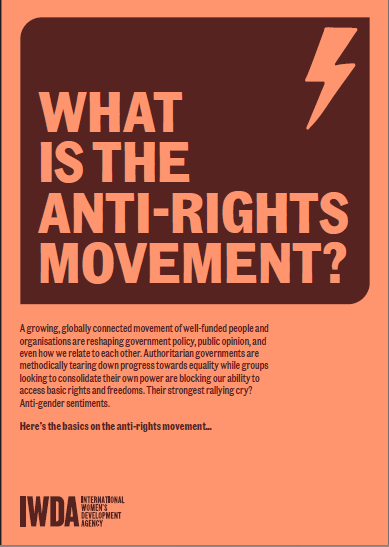
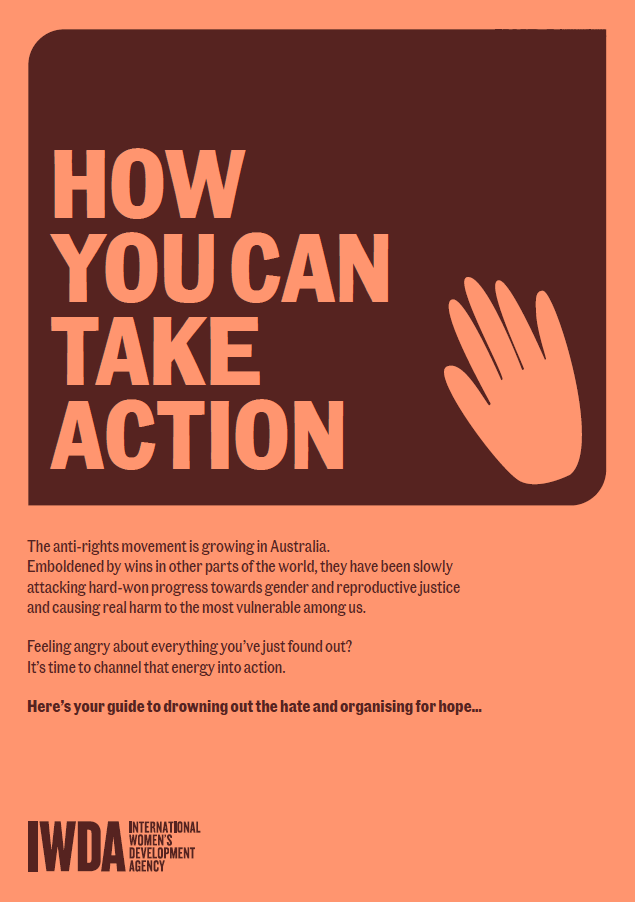

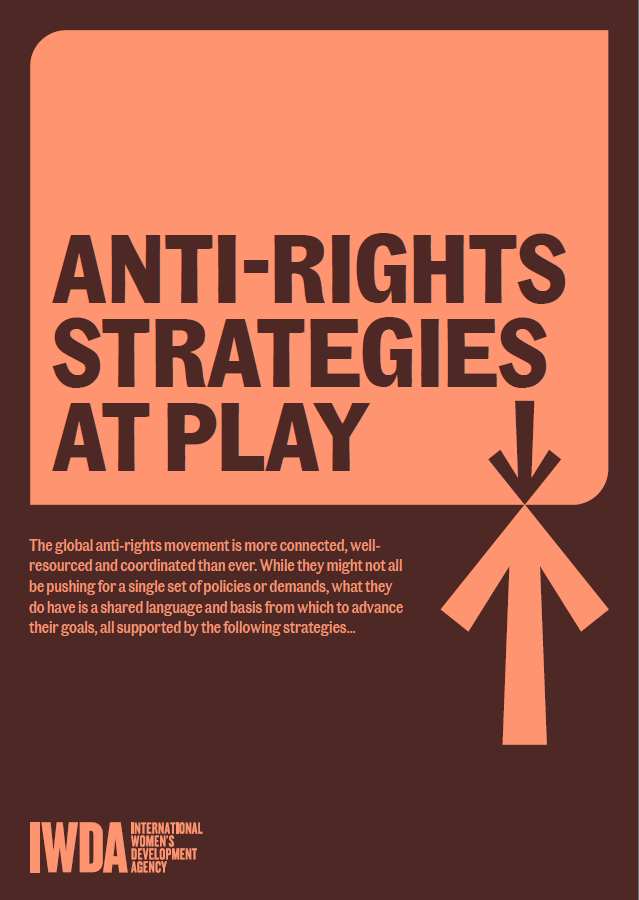
Now, more than ever, we need to stand up, speak out and reclaim our power – not just to protect what we have already achieved, but to build stronger, more united communities centred in decency, respect, care and equality. This future is possible, but it’s up to all of us to build it. That’s why we’ve created this resource pack to help you understand the basics on the anti-rights movement and take the first steps to turn our hope into concrete action.
While your pack makes its way to you, here are the answers to the quiz.
1. A women’s rights organisation is in the news saying women’s ‘sex-based rights’ are under attack.
Is this anti-rights messaging?
Answer: Yes
This is a common argument used by trans-exclusionary groups to attack trans rights. While most people now understand sex and gender to be both social and biological, this argument is based on the false idea that only biology determines who is a woman. You will often see anti-rights groups use this argument to frame trans rights as a threat to women. This turns the idea of rights into a zero-sum game where one group must lose if another is able to access the fundamental rights we are all born with.
2. A petition is circulating asking you to call on the government to stop comprehensive sexuality education because it ‘sexualises children’.
Is this anti-rights messaging?
Answer: Yes
This is a tactic used by anti-rights groups to stop schools teaching young people about LGBTQIA+ rights or sexual and reproductive health and rights. Comprehensive sexuality education teaches young people about the emotional, physical and social aspects of sexuality in an age-appropriate, evidence-based way. Evidence shows this kind of education helps young people feel confident in their bodies and identities, understand important topics like consent, and prevent abuse.
3. You come across a segment on TV that features a medical professional saying gender-affirming care is widely supported by major medical organisations in Australia and internationally.
Is this anti-rights messaging?
Answer: No
Experts really do agree that gender-affirming care not only works – it is often life-changing and life-saving for trans people. While anti-trans groups might spread disinformation that puts this in question, there is broad consensus across major medical and international organisations in support of gender-affirming care.
4. You are handed a flyer that claims ‘gender ideology’ is taking over our schools.
Is this anti-rights messaging?
Answer: Yes
‘Gender ideology’ is a term created by anti-rights groups to delegitimise the idea of gender. Opposing ‘radical gender ideology’ is their rallying cry – one that they use to argue that binary gender norms, particularly those that are associated with heterosexual relationships, are ‘natural’ or ’common sense’. It’s an argument designed to frame anyone who challenges these norms as a threat to society. In truth, gender, as it is used by feminist movements, is only a threat to anti-rights groups because it exposes patriarchy and the way it upholds a system based on oppressive gender roles.
You are now part of a powerful community drowning out the hate to build a better future for us all.
From all of us at IWDA, thank you for standing with us.