Towards a fairer, greener future for all
For decades, feminist movements have worked to transform the systems that harm us all and rebuild something new – a vision for the future that centres the safety and wellbeing of people and the planet.
This isn’t a vision for a distant future, but something that people are already making a reality all around the world. This future is entirely within reach, but only if we choose to rewrite the rules and create solutions that serve us all.
Because the current system is not working. It’s harming the planet, and it’s harming us.
Share what matters to you in building a fairer future for all.
How can we develop better climate change solutions for all of us?
For too long, powerful corporations, lobby groups and individuals have benefited from a system they built. One that rewards them for polluting our waters, destroying sacred lands and exploiting workers. While they get richer, we are left to face the consequences.
But it doesn’t have to be this way. Another world is still possible. We have the power to shape our climate future, and take meaningful action guided by principles of justice and care.
Later this year, world leaders will be meeting in Türkiye for global climate talks that will shape collective action. These negotiations affect us all and Australia will be playing a leading role as the President of Negotiations.
Right now, we have a chance to have our voices heard and make sure the government knows what matters to us in creating a fairer, greener future.
Have your say and help shape the climate future you want to see by completing the survey.
How does climate change affect women and girls differently?
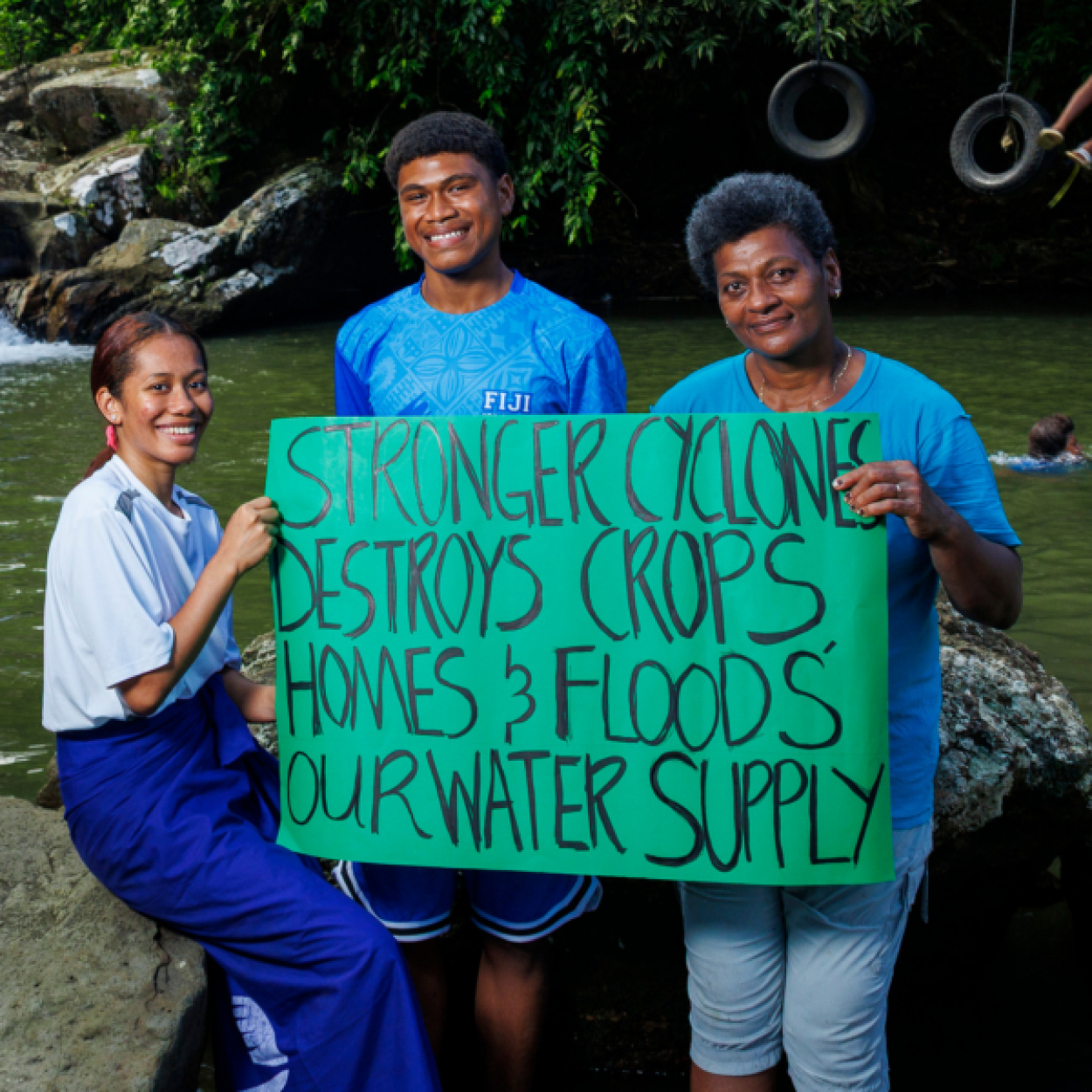
No one escapes the harmful effects of the climate crisis, but its impacts are felt unevenly and deepen existing inequalities. Women and girls face unique threats to their livelihoods, health and safety, and we know Indigenous women, working-class women and women of colour will be among the most affected.
When disaster strikes, rates of gender-based violence spike, and heatwaves have been linked to increases in femicide, as climate impacts intensify the drivers of violence such as financial stress and displacement. In the aftermath of a natural disaster, women’s share of care work only grows as they take on additional work to support their families and communities recover and rebuild.
Another world is still possible
We know that the cost of inaction is too high. And continuing to tinker around the edges while investing in solutions that don’t address the root causes of this crisis won’t be enough.
Now is the time to think big and act boldly.
From embracing First Nations worldviews that centre reciprocity, relationality and caring for Country, to reimagining what our economies could be – the answers to building thriving communities are well within our reach.
So let’s ask ourselves, what becomes possible once we move away from a fossil fuel-based economy built on exploiting people and the planet?
How would our world be transformed if we centred care, connection, and equality in our decision-making?
What would it mean to ensure everyone had access to clean air, clean water, affordable housing and the resources they need to thrive?
Sign up for updates
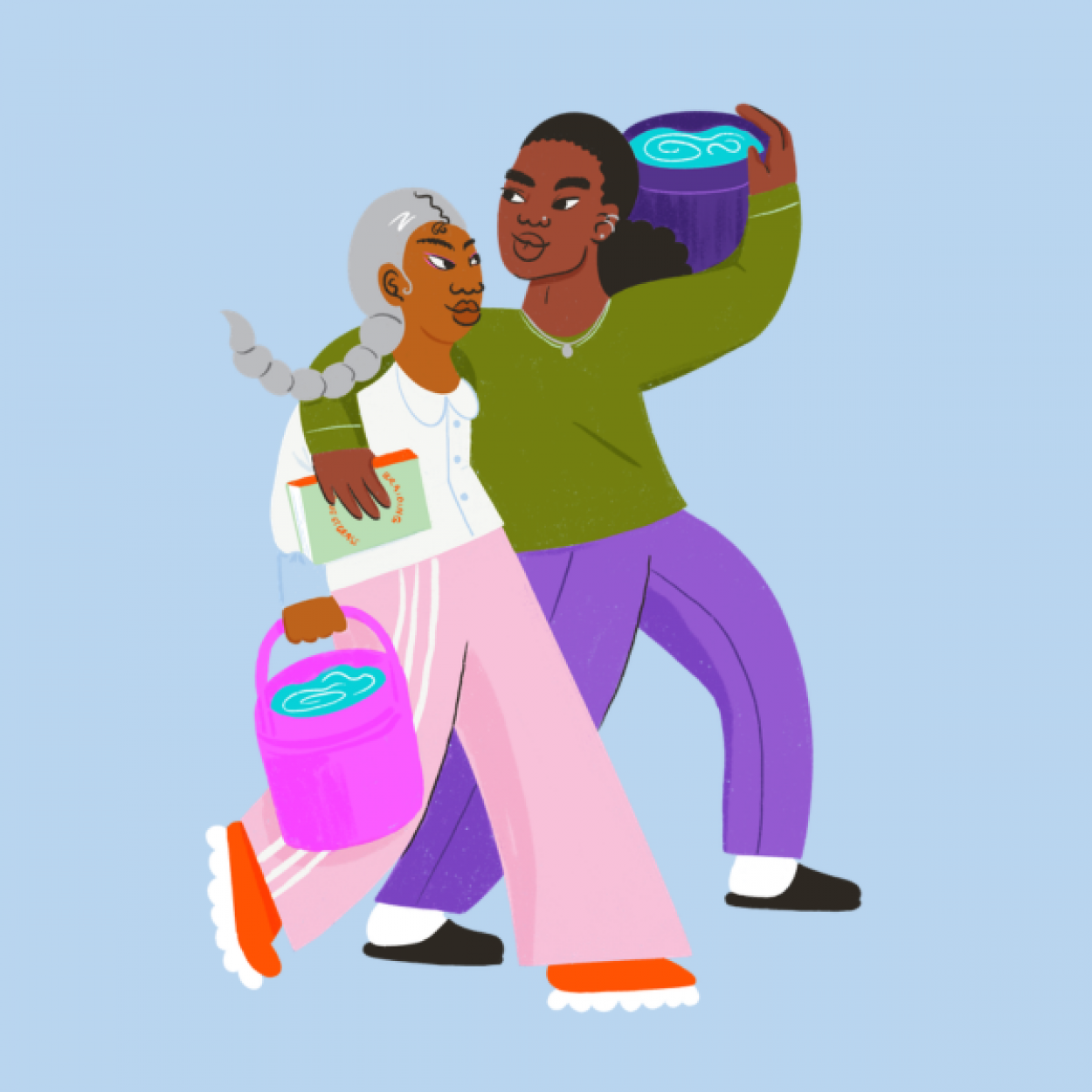
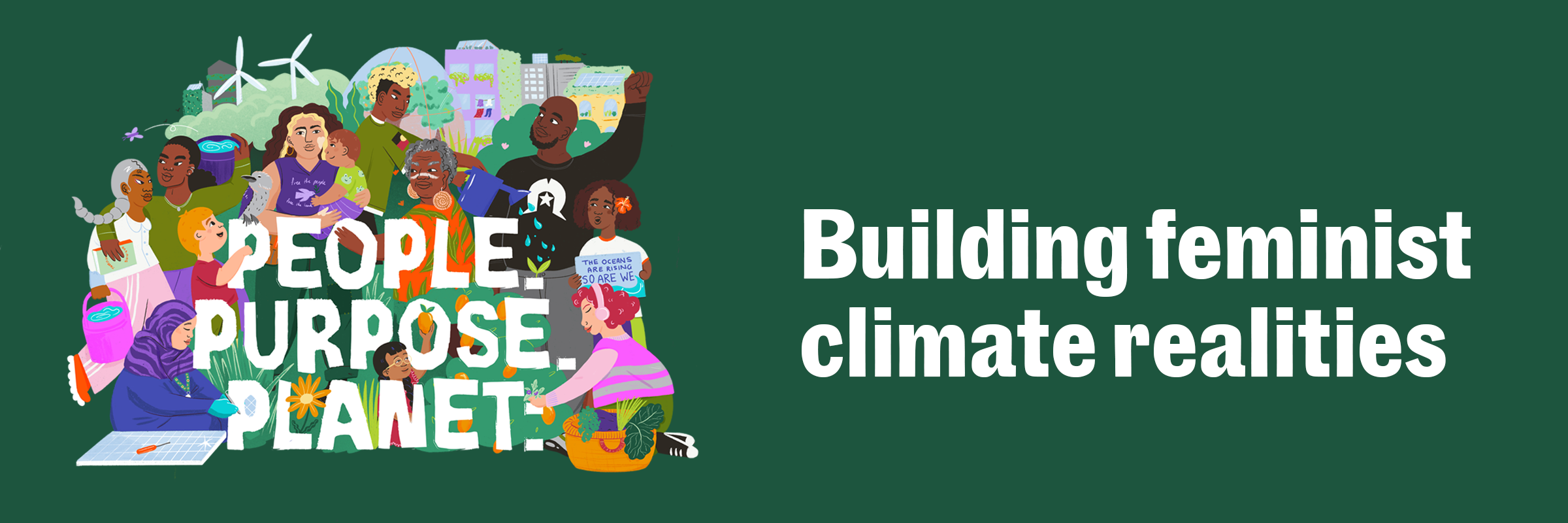
Illustrations by Ismawi Design