Welcome to the July 2026 newsletter of the Australian Feminist Foreign Policy Coalition! |
Thank you for being involved in this growing community advancing feminist foreign policy in Australia.
In this bi-monthly newsletter, we share updates from the Australian Feminist Foreign Policy Coalition (AFFPC) and the global Feminist Foreign Policy (FFP) space. Please direct all enquiries, suggestions and feedback to research@iwda.org.au. |
|
|
5th Ministerial Conference on Feminist Foreign Policy
|
|
|
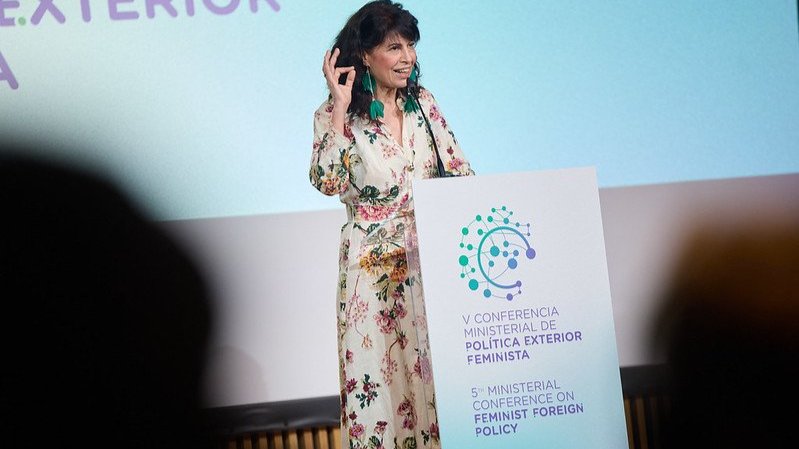
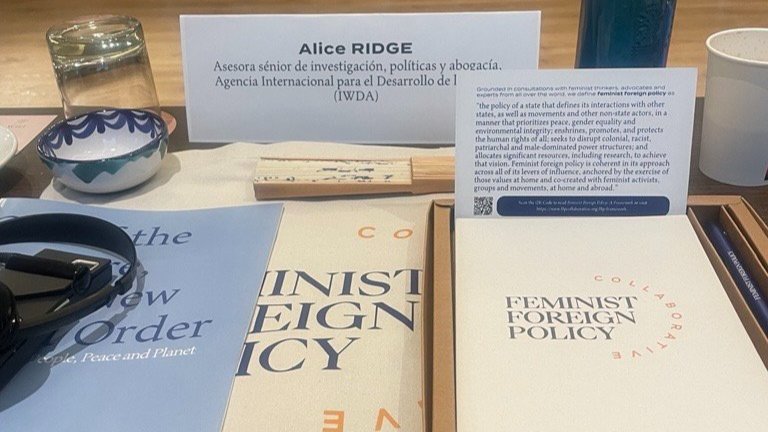
The Government of Spain convened an engaging week of discussions for the 5th Ministerial Conference on Feminist Foreign Policy in Madrid, Spain, from 2–3 June, as well as a series of pre-conference events.
Bringing together nearly 700 participants, including ministerial delegations from more than 60 countries, the conference highlighted Spain’s leadership in keeping feminist foreign policy on the international agenda, even as global momentum for FFP continues to weaken amid political backlash, shrinking civic space and shifting geopolitical priorities. A key outcome was the adoption of the Madrid Joint Political Declaration, which commits signatories to advancing gender equality, protecting sexual and reproductive health and rights, supporting feminist movements, reforming global financial systems, and addressing colonial legacies. However there were few government announcements during the event, with no new governments adopting feminist foreign policies or announcing funding commitments.
|
|
|
Accountability Initiative Launch |
Ministerial Conference Wrap-Up: New Accountability Initiative Launched |
|
|
A key milestone from the conference was the launch of FFP Accountability, an independent initiative led by the Feminist Foreign Policy Collaborative designed to track progress on commitments made by states and multilateral institutions at Feminist Foreign Policy ministerial conferences. The initiative was developed with input from members of the Global Partner Network, alongside support from the French Ministry for Europe and Foreign Affairs during its initial design phase.
|
|
|
From Extraction to Care: Financing Climate Justice |
|
|
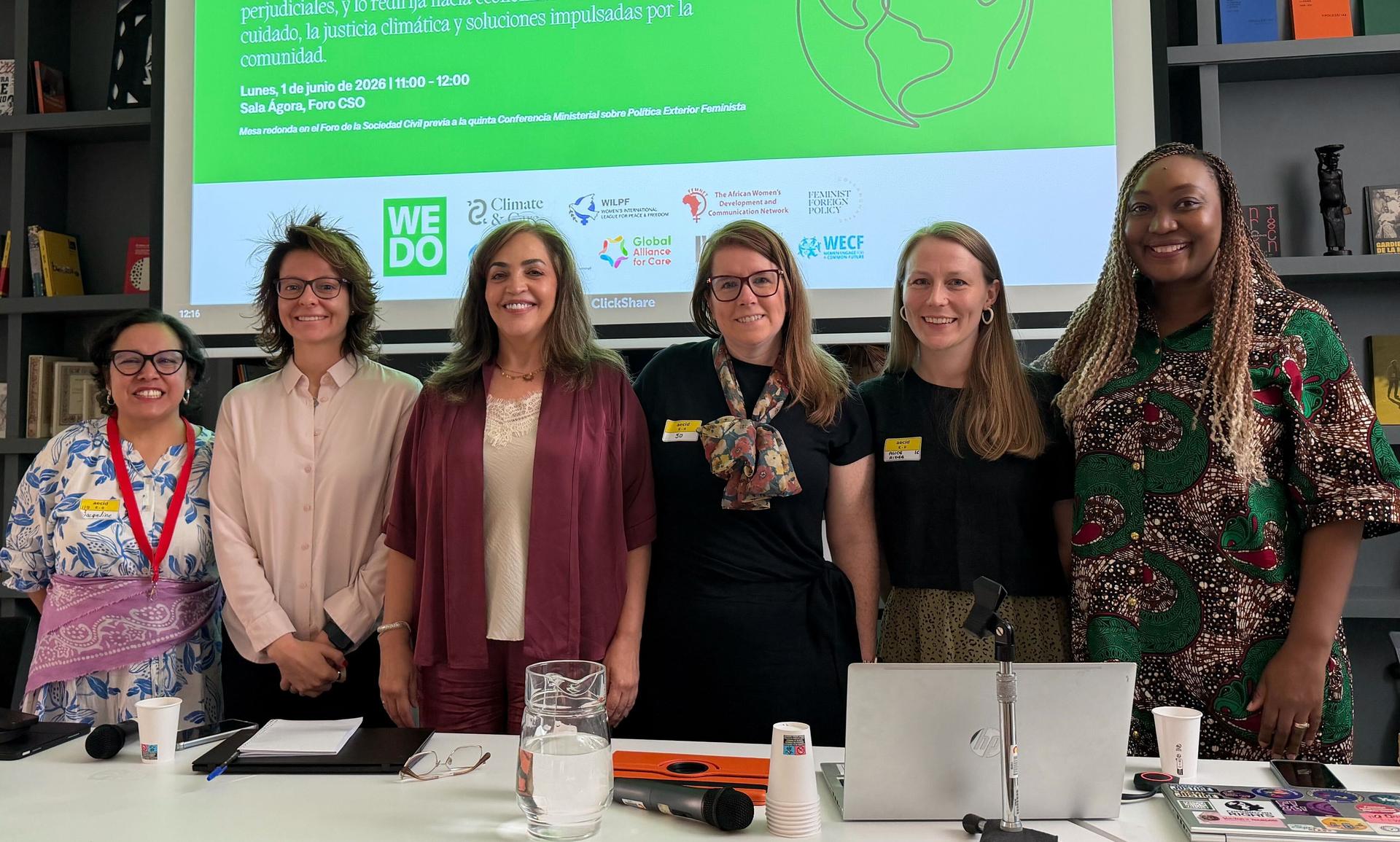
During the official Civil Society Forum, partners including the Women's Environment and Development Organization (WEDO), the International Women’s Development Agency (IWDA), the International Development Research Centre (IDRC), the Women's International League for Peace and Freedom (WILPF), and Women Engage for a Common Future (WECF) convened the session From Extraction to Care: Financing Climate Justice.
The discussion explored how feminist foreign policy can help shift political and financial power away from extractive systems and towards care-centred economies, climate justice, and community-led solutions, highlighting the importance of feminist approaches to addressing the intersecting challenges of climate change, inequality, and global financing. |
|
|
CSO Forum and Open Statement |
|
|
Held ahead of the 5th Ministerial Conference on Feminist Foreign Policy, the Civil Society Forum brought together more than 200 representatives from feminist movements, civil society organisations to develop shared priorities. The Forum also launched the Civil Society Open Statement for Transformative Feminist Foreign Policies, calling on governments to move beyond rhetoric and adopt adequately funded, intersectional and rights-based feminist foreign policies that address systemic inequalities, uphold human rights, and ensure meaningful participation of civil society in decision-making.
Recordings of the Civil Society Forum are available in both English and Spanish, alongside a gallery of photos from the week's events. |
|
|
| Colombia Swings to the Right in Presidential Election
Colombia has elected right-wing candidate Abelardo de la Espriella as its next president, marking a significant political shift after four years under the country's first left-wing administration. De la Espriella narrowly defeated ruling party candidate Iván Cepeda, securing 49.66% of the vote in the closest presidential election in Colombia's history.
The result signals a decisive move towards right-wing leadership, with the incoming administration expected to depart from many of former President Gustavo Petro's policies, including the commitment to feminist foreign policy as well as on peacebuilding, energy transition and social reform. |
|
|
| Venezuela Earthquake Highlights Risk for Women During Climate Related Disasters
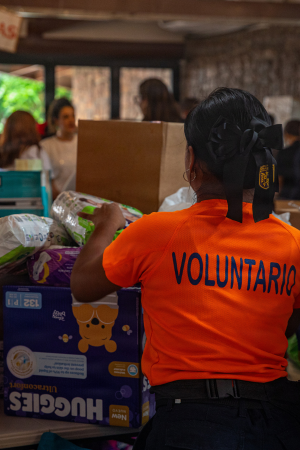
The intersection of climate change, disasters and maternal health is receiving growing attention, with experts warning that pregnancy must be integrated into climate adaptation and emergency response planning. Rising temperatures, extreme weather events, pollution and food insecurity are already associated with increased risks of miscarriage, preterm birth and other maternal and neonatal outcomes. The urgency of this issue was underscored following the recent Venezuela earthquake, where a woman reportedly gave birth beneath the rubble after buildings collapsed, highlighting the heightened vulnerability of pregnant women during humanitarian emergencies. While earthquakes are not caused by climate change, the incident illustrates the broader need for disaster preparedness that account for specific needs of women during and after the crisis.
|
|
|
Procedural Delays Stall progress on Climate Priorities at SB64 |
| IPPF Warns of Organised Global Antu-Rights Movement |
|
|
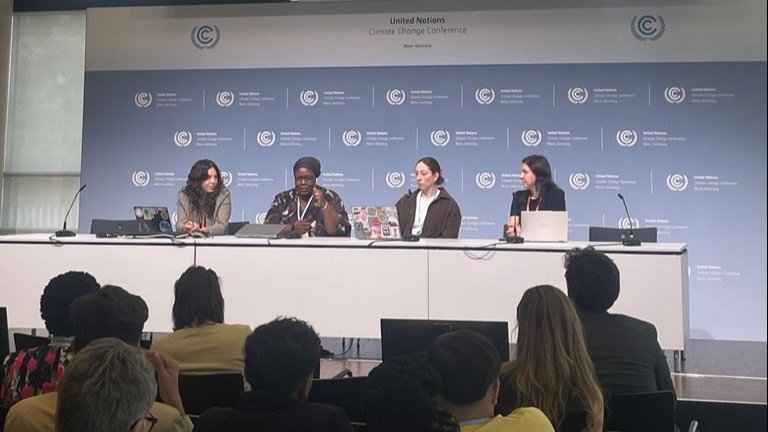
The Women and Gender Constituency (WGC) expressed concern over the outcomes of the SB64 Subsidiary Bodies Meetings, highlighting that procedural delays and political manoeuvring continued to hinder progress on key climate priorities. The statement argues that negotiations on adaptation, technology and just transition were slowed by procedural tactics, while climate finance discussions remained focused on dialogues and workshops rather than concrete commitments, implementation and accountability.
|
|
In a recent Women's Agenda Podcast interview, Maria Antonieta Alcalde, President of the International Planned Parenthood Federation (IPPF), warned that the global rollback of women's rights should not be understood as a temporary backlash, but as a coordinated, well-funded and long-term anti-rights strategy. Speaking at the Women Deliver 2026 Conference, Alcalde argued that anti-rights movements have been strengthened by increased funding, political support and the spread of organised campaigns across countries.
|
|
|
New Australian Campaign Launches in Support of Trans Rights |
|
Australia Rejects UN Recommendations on LGBTQIA+ Rights |
|
|
A new advocacy collective, Not in Our Name (NION) Women Australia, has launched an open letter and public campaign calling on women to support the trans community and uphold protections under Australia's Sex Discrimination Act. The initiative describes itself as a network of women standing in solidarity with trans people and seeks to demonstrate public support for inclusion amid ongoing debates over proposed changes to discrimination laws. |
|
The Australian Government has rejected all recommendations relating to LGBTQIA+ rights made during the latest United Nations Human Rights Council (UNHRC) Universal Periodic Review (UPR). The UPR is a peer-review process conducted every four and a half years in which UN member states assess each other's human rights records and make recommendations for improvement.
While Australia accepted or partially accepted recommendations across a range of human rights issues affecting women, children, people with disabilities, and Aboriginal and Torres Strait Islander peoples, it did not accept any recommendations specifically concerning LGBTQIA+ rights. The decision has drawn attention from advocacy organisations, with LGBTQIA+ people being the only group for whom all recommendations were rejected in this review cycle. |
|
|
Sustaining Investment in Gender Equality |
|
Santa Marta Conference Report Strengthens Support for a Fossil Fuel Treaty |
|
|
Ahead of the 2026 Federal Budget, a commentary published by The Interpreter argued that Australia had an opportunity to demonstrate leadership by maintaining its international development assistance at a time when many donor countries were reducing aid budgets. The article highlighted recent OECD data showing a significant decline in global official development assistance (ODA) and warned that funding for gender equality is often among the first areas to be cut despite evidence of its broad social and economic benefits.
While published before the Federal Budget was released, the commentary provides broader reflections on the importance of sustained investment in gender equality and development cooperation. |
|
The final outcome report from the First Conference on Transitioning Away from Fossil Fuels, co-hosted by Colombia and the Netherlands, has identified growing international support for establishing a Fossil Fuel Treaty to guide an equitable and just global phase-out of fossil fuels. Launched during London Climate Action Week, the report found that 80% of participating stakeholder groups called for an international mechanism to manage the transition, with several governments also expressing support during the conference's high-level discussions.
The report outlines a "Santa Marta Vision" for transitioning away from fossil fuels, arguing that progress will require action both within and beyond the United Nations Framework Convention on Climate Change (UNFCCC). It highlights the need for additional international agreements and governance mechanisms to address existing gaps in implementation and accelerate a coordinated global transition away from fossil fuels. |
|
|
Women’s Environmental Leadership Australia launches new podcast |
|
From Fossil Fuel to Feminist Futures: Feminist Foreign Policy and the Fossil Fuel Treaty |
|
|
There Will Be Dancing, a podcast from Women’s Environmental Leadership Australia (WELA), amplifies the voices and experiences of women and gender-diverse leaders advancing climate and environmental justice.In a recent episode, Australian climate advocate Anjali Sharma reflects on her journey from launching a landmark legal challenge against the Australian Government at just 16 to becoming one of the country's leading young voices on climate justice. Sharma discusses youth leadership, navigating racism and public scrutiny, and how age, gender and identity can become sources of strength rather than barriers to advocacy. The episode also features reflections from environmental advocate Carolyn Ingvarson on leadership, care and intergenerational change.Together, the conversation highlights the importance of inclusive leadership and diverse voices in advancing climate justice and shaping a more equitable future.
|
|
This policy brief explores the relationship between Feminist Foreign Policy (FFP) and the proposed Fossil Fuel Treaty, arguing that a comprehensive feminist foreign policy must include support for a just and equitable global transition away from fossil fuels. It outlines why backing a Fossil Fuel Treaty aligns with feminist principles of justice, equity and human rights, while providing a framework for policymakers and advocates to assess whether governments that endorse FFP are integrating these commitments into their climate and foreign policy agendas.
|
|
|
Following this month's conversation on the growing global anti-rights movement, IWDA's Organise for Hope campaign offers a practical starting point. The campaign's resources provide background on the global anti-rights movement, its impacts on gender equality and human rights, and actions individuals and organisations can take to respond collectively.
|
| |
|
The Australian Feminist Foreign Policy Coalition acknowledges the Traditional Owners of the land on which we work and live. We pay our respects to their Elders, past and present, and the Aboriginal Elders of other communities.
If this newsletter was forwarded to you, sign up to the mailing list at the bottom of this page. |
| |
|
|